

QAQCx | TECHNICAL CONSTRUCTION ADVISORY
Identify Conceptual Issues Before They Become Construction Problems.
FUNCTION provides independent technical reviews and construction-phase quality assurance services to help general contractors identify design conflicts, equipment incompatibilities, and system integration issues before they affect project cost or schedule.
Drawing on experience in mechanical engineering, construction, building automation, and commissioning, QAQCx evaluates how building systems are designed, specified, coordinated, and prepared for operation.
Our role is to work alongside project teams, providing practical technical insight that complements—not duplicates—the responsibilities of the design engineer and commissioning authority.
OUR QAQCx SERVICES
Technical Reviews at Key Project Stages
Targeted reviews and quality assurances services to help identify problems early, maintain design intent, and support a successful turnover.
Design & Constructability Review
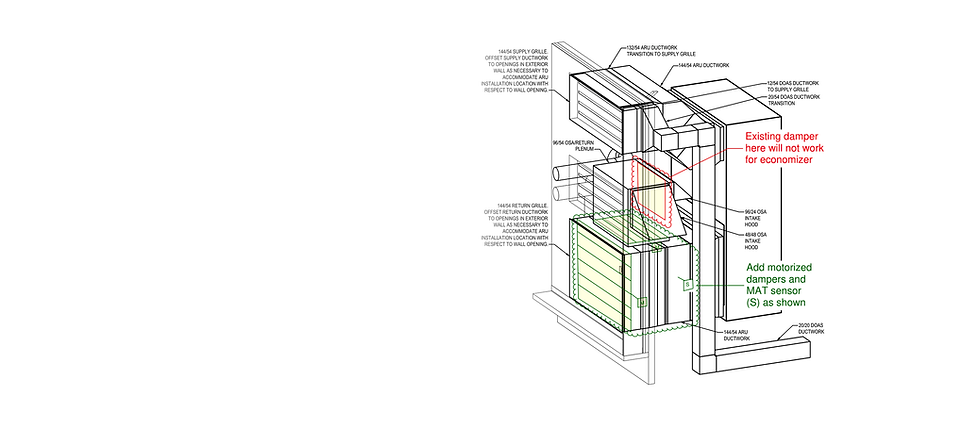
Evaluate design documents for constructability, system coordination, equipment compatibility, and potential conflicts. Identify issues early, when they are easier and less expensive to resolve.
Review equipment submittals for compliance with design intent, system integration, control requirements, and long-term maintainability. Flag inconsistencies and missing information before equipment is ordered or installed.
Equipment Submittal Review
System Readiness Review
Perform pre-functional reviews to verify installation, coordination, and integration of mechanical and control systems. Identify deficiencies and support a smoother commissioning and startup process.
Provide ongoing technical advice during construction to help resolve field conditions, review proposed changes, and maintain alignment with design intent.
Construction-Phase Support
REAL-WORLD IMPACT
Prevent Costly Surprises.
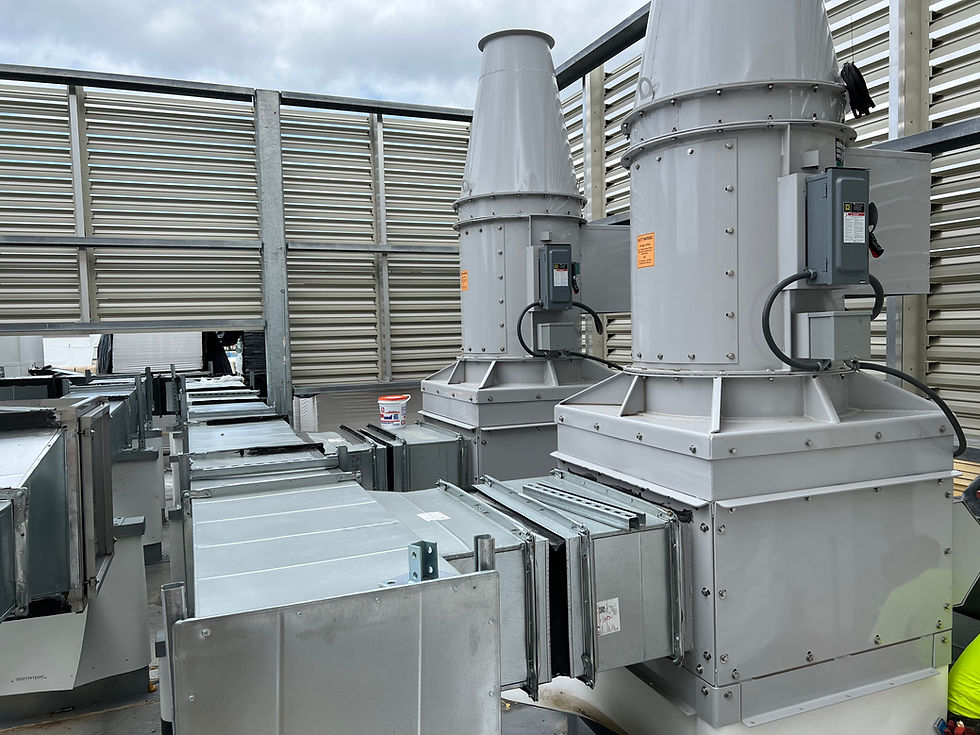
QAQCx applies practical technical experience to identify risks early, help resolve issues during construction, and support systems that operate as intended.
Design conflicts, equipment incompatibilities, and coordination issues are easier and less expensive to address before they become construction problems.
The objective is to reduce avoidable changes, improve construction coordination, and support more reliable, maintainable building systems.
